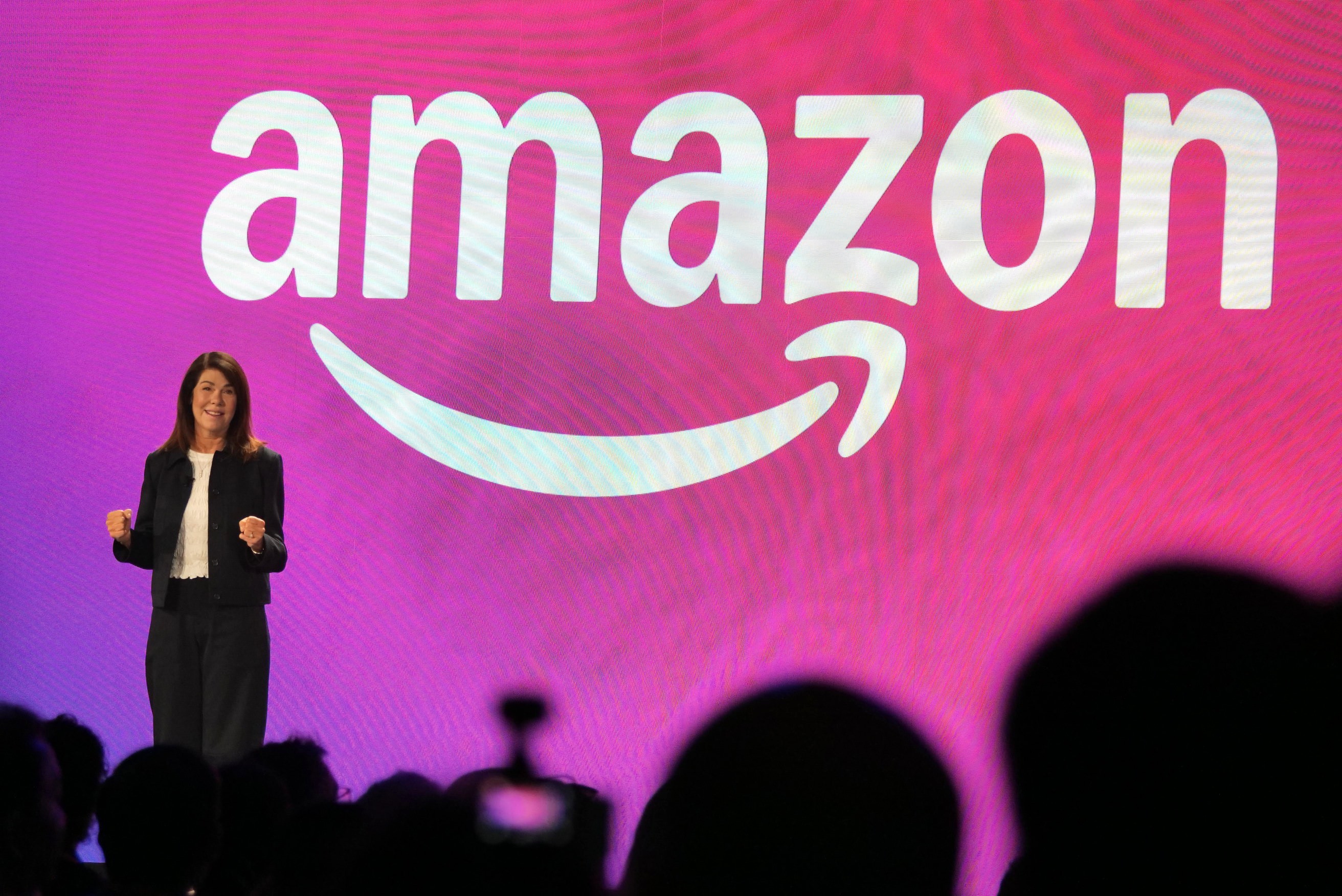
Amazon is introducing tools to let independent sellers manage their sales on four of its biggest rivals — eBay, Shopify, TikTok and, yes, even Walmart — from Seller Central, the same dashboard they use to run their Amazon businesses.
The multichannel selling tools, announced Thursday at Amazon’s Accelerate seller conference in Seattle, are rolling out gradually to U.S. sellers over the coming months at no extra cost. At first, sellers can connect their accounts on the other platforms, import and link listings, see all their orders in one place, and fulfill orders across channels.
The data question: The move raises natural questions about Amazon’s motives, including what the company might do with data from sellers’ businesses on rival platforms. In an interview, Mary Beth Westmoreland, Amazon’s VP of Worldwide Selling Partner Experience, brought the issue up unprompted.
“A seller’s multichannel data that might surface in Seller Central, it’s never used for anything other than surfacing it to that specific seller. Period,” she said. “We never use that data for any other purpose.”
Pressed on whether the data could affect a seller’s standing on Amazon, such as by pushing their products lower in search results for charging less elsewhere, she was more emphatic. “We never, ever, will touch this data or use it for any other reason other than to show it to you,” she said.
Questions about how Amazon could use seller data for other purposes are not hypothetical. In 2020, The Wall Street Journal reported that Amazon employees had used data about independent sellers to develop competing house-brand products, and in 2022 Amazon agreed with European regulators not to use sellers’ non-public data in its own retail business.
Amazon said at the time that it prohibits employees from using non-public, seller-specific data to decide which house-brand products to launch. When it settled with European regulators, the company said it still disagreed with “several of the preliminary conclusions” in the case.
The Federal Trade Commission’s pending antitrust case also accuses Amazon of punishing sellers who offer lower prices on other sites, an allegation Amazon denies. The case is set for trial in March 2027.
Why, then, is Amazon doing this? Westmoreland said sellers told Amazon that managing sales across so many platforms takes too much time. “They said we would love it if we could use some of the cool tools in Seller Central everywhere we sell, and so that’s what we did,” she said.
In addition, she said, the company believes sellers who succeed on other platforms will bring a wider range of products to Amazon, which makes its store more appealing to shoppers, so helping sellers elsewhere ultimately benefits Amazon, too. More than 95% of Amazon’s independent sellers already sell through multiple channels, according to the company.
What Amazon already offers: The new multichannel tools in the Seller Central dashboard add to a collection of services Amazon already offers to merchants who sell elsewhere, potentially boosting its other services.
- Multi-Channel Fulfillment, a paid service, ships orders from other sites out of Amazon’s warehouses, and last year added integrations with Walmart, Shopify and SHEIN.
- Amazon Warehousing and Distribution stores inventory in bulk and restocks those warehouses and other channels.
- Buy with Prime lets merchants offer Prime delivery on their own websites, with Amazon handling customer service and returns.
Amazon also announced Thursday that merchants using Multi-Channel Fulfillment in the U.S. can now offer Prime delivery on their own websites at no additional cost. It launched a separate pricing program that it says can cut their fulfillment fees by 15% to 25% for the first six months.
Selling services to merchants is a big business for Amazon. Independent sellers account for more than 60% of units sold on Amazon worldwide, and the fees Amazon charges them brought in $46.8 billion in the second quarter, more revenue than AWS.
How it works: Sellers connect their other accounts through a multichannel settings page in Seller Central. The Manage Orders page then shows unshipped orders from every connected channel on one screen. A seller can select a Shopify order, for example, and send it to Amazon for fulfillment, with tracking updates flowing back to Shopify automatically, according to Amazon.
Westmoreland said the connections to other platforms mostly use their standard APIs, along with existing agreements through Veeqo, the multichannel shipping software company Amazon acquired in 2021 and now offers free to sellers. Sellers don’t have to use Amazon’s fulfillment services to use the new tools, she said.
Amazon says more features are coming, including the ability to edit a product description once and have it update on every channel, AI-generated listings for other platforms, and a dashboard showing how much sellers earn on each product across channels, including ad spend and traffic data from the other platforms.
The competition: The new tools also put Amazon in competition with companies that already sell multichannel software, including Rithum, formed from the combination of ChannelAdvisor, CommerceHub and Dsco, and Linnworks.
Shopify offers its own version, Marketplace Connect, which lets merchants manage their Amazon, Walmart, eBay and Target Plus sales from inside Shopify — essentially the reverse of what Amazon is now offering.
Westmoreland called Amazon’s tools “one more option” for sellers. She also said sellers had told the company they were already paying for this kind of software: “Hey, I’m paying for it, and it’s hard to do. Can you do this for me?”