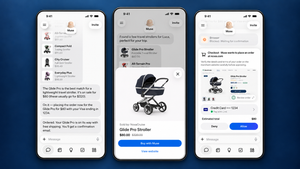
Amazon blocked Meta’s Muse AI agent from its store Sunday night, and leaders across the tech industry have spent the past two days debating the bigger questions raised by the move.
Among them: whether the big platforms will agree on rules for agents crossing into each other’s territory, how money will change hands when they do, and how many people will actually want AI agents doing their shopping in the first place.
This will be “a bigger battle than anyone anticipates,” wrote Palo Alto Networks CEO Nikesh Arora in a post on X, predicting that Apple, Google and possibly TikTok will build their own personal agents. Every shopping and services app will have to decide whether to let outside agents in, he wrote.
The industry is “basically two weeks into this entire topic,” Box CEO Aaron Levie said on CNBC Tuesday morning. Agents are “going to change how we interact with most forms of commerce,” he said, and “different companies will respond in different ways.”
Elon Musk is already pointing to a potential technical loophole. Amazon “won’t be able to tell whether the buyer is a human or an AI acting on their behalf if access is via the user’s IP address & cookies,” the xAI founder wrote on X Monday.
Amazon’s Conditions of Use require agents to identify themselves as agents in every request they make to its site. That is one of the violations that Amazon cited in blocking Muse this weekend.
Deals in the works? Amazon CEO Andy Jassy has said on earnings calls that the company was having conversations with companies that want to run agents for commerce. Those talks are still underway, The Information reported Monday, but it’s not clear whether any agreements are close to happening.
Meta CEO Mark Zuckerberg said on the Sources podcast that Muse would “take a very small cut of whatever the transaction is” — potentially paid by the businesses users buy from.
Amazon’s retail margins are thin, and its advertising business, which generated more than $68 billion in revenue last year, depends on people browsing its pages, not agents jumping in to complete purchases.
Amazon vs. Perplexity: Possibly foreshadowing where the Meta dispute is headed, Amazon sued Perplexity in November over Comet, the AI company’s browser, which had an agent that shopped on Amazon.com through customers’ own accounts.
Amazon won a preliminary order blocking it in March, then lost that order on Aug. 4, when the Ninth Circuit found Amazon unlikely to win its anti-hacking claim, because the user — not the AI company — was the one accessing Amazon’s computers. The court denied Amazon’s request for a rehearing on Sept. 10.
The underlying case is still going, and the decision did leave Amazon an opening. It said Amazon could still sue over its contract with customers, and on Monday Amazon did just that: adding a claim that Perplexity caused customers to break that agreement, the same Conditions of Use the company used to block Muse.
What about Amazon’s agent? The e-commerce giant’s Buy for Me agent “does some of the things that Amazon is trying to stop other AI agents from doing,” pointed out journalist Jason Del Rey, who publishes The Aisle newsletter. Amazon’s answer is that Buy for Me identifies itself and lets brands opt out, two things it says Muse doesn’t do.
Meta, for the record, has not responded publicly to the Amazon dispute. But investors have. Meta stock jumped 11% Monday to its highest close in a year, and rose again Tuesday morning.
After all of this, are agents really better shoppers? Martin Peers of The Information used Muse on Monday to buy a pen and a notebook from small retailers. He found the process “surprisingly smooth,” but wrote that it was “still a lot faster and easier to go directly to Amazon.”