Bee, the AI wearables startup Amazon acquired last year, makes devices that remember what people say in everyday conversations. A new update, announced Thursday morning, includes a feature that turns those passing remarks into shopping suggestions on Amazon.com.
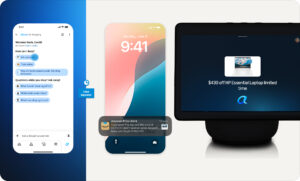
For example, as described by Amazon, someone might mention offhand that they’re out of dish soap, and a product recommendation would show up on Amazon.com and in the Bee mobile and desktop apps. Amazon pitches it as a way for people to remember to buy things they need.
It’s the kind of thing many people have long suspected their phones of doing secretly, listening to conversations and serving up related content or ads. Researchers haven’t found evidence of that. Either way, Amazon’s twist is to do it openly — and to make it voluntary.
The feature is opt-in, meaning it won’t happen unless users choose to connect their Bee accounts to Amazon.com, and Bee says it won’t share data with Amazon without user consent.
The Amazon.com integration requires Bee Pro, a $12 monthly subscription that also includes unlimited conversation summaries and the ability to ask Alexa+ about things Bee has captured.
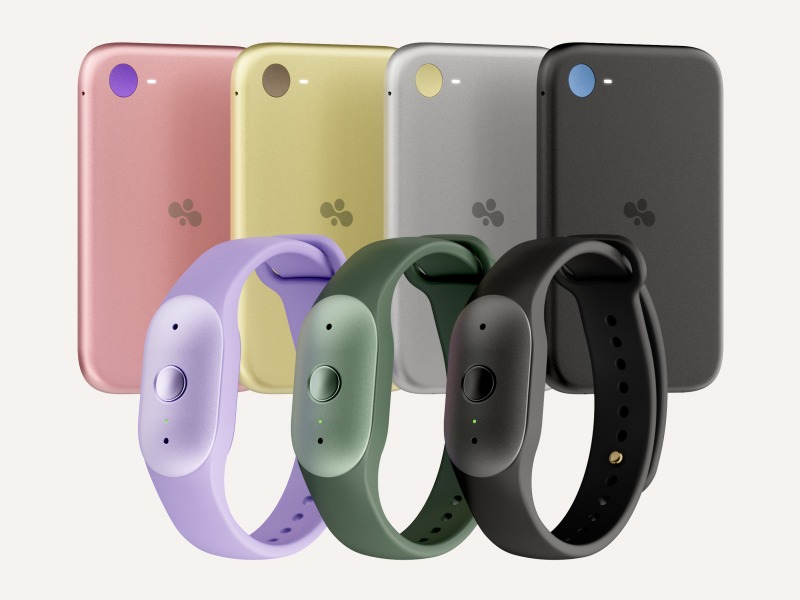
New hardware: The feature is part of a broader announcement that includes the first new Bee devices under Amazon’s ownership: Bee Frontier, a $74.99 wristband that can also clip onto clothing, and Bee Eclipse, which attaches magnetically to the back of a phone and starts at $99.99.
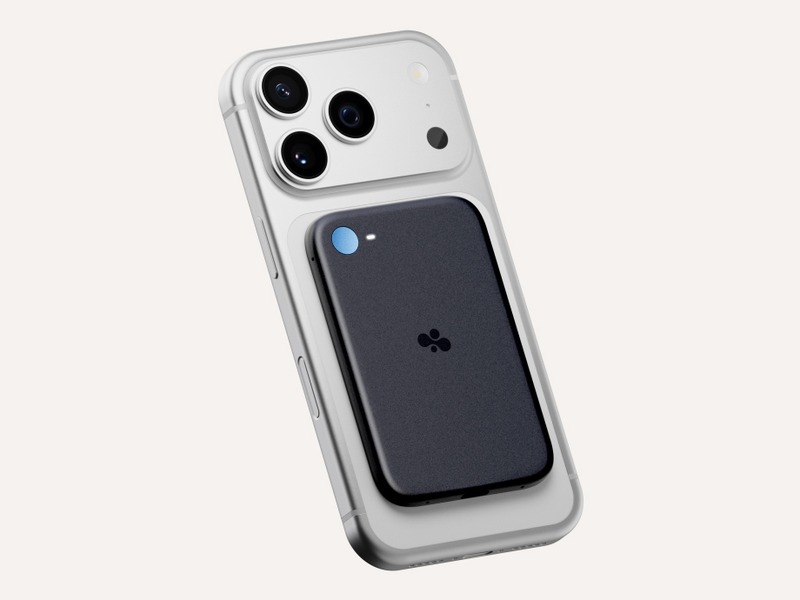
Bee Frontier, available now, has dual microphones, up to seven days of battery life and IP67 water resistance. Bee Eclipse, about the size of a credit card, runs more than 21 days on a charge and will be available soon, Amazon says.
Amazon says Bee lets people pay attention to a conversation instead of taking notes, keeping track of details such as when and where they agreed to meet a friend. The devices turn conversations into summaries, to-dos and reminders.
Users can read their summaries in the Bee mobile app or a new desktop app, formatted for different kinds of conversations, such as lectures, care plans and brainstorming sessions. Bee also picks up on recurring themes in conversations and suggests goals and actions.
Bee connects to apps including Gmail, Google Calendar and Microsoft Outlook. After a call or meeting, it can list action items, draft follow-up emails or create calendar invites based on the conversation.
Users can also link Bee to Apple HealthKit and to their photos. Most of those features, including the desktop app and third-party integrations, also require Bee Pro.
Without a subscription, Bee users get conversation summaries and 14 days of memory. New customers get 30 days of Bee Pro free.
How Bee handles privacy: Amazon says Bee runs on a system it calls Bee Private Compute, which processes conversations in an isolated environment where “no one, including Amazon, can access your data.” Audio is deleted after it’s processed, and transcripts are encrypted with keys controlled by the user’s device.
Both new devices turn on and off with a single button and show a light when they’re running. For phone calls, Bee Eclipse prompts users to get permission from the other people on the call each time it starts, according to Amazon.
Bee and Amazon: Amazon acquired Bee in July 2025 for an undisclosed price. At the time, the San Francisco startup, led by co-founders Maria de Lourdes Zollo and Ethan Sutin, had raised $7 million and sold a $49.99 wristband called Bee Pioneer.
Thursday’s update connects Bee to two of Amazon’s biggest consumer businesses: its online store, through the product recommendations; and Alexa+, the new version of its longtime voice assistant, by letting users ask Alexa+ on an Echo device about things Bee has captured.
Amazon isn’t the only tech giant betting on AI devices.
- Apple last month announced Siri Recap, an opt-in feature that summarizes conversations on its new Apple Watches, set to arrive in beta later this year.
- Meta bought Limitless, maker of a conversation-recording pendant, in December 2025, and last month unveiled the Muse Charm, a keychain-sized device for its Muse AI agent that’s set to ship this December.
- OpenAI is developing its own hardware with former Apple designer Jony Ive.
Bee also competes with startups such as Plaud, Omi and Friend, which make AI recorders and pendants that listen to conversations, and with AI notetaking apps such as Granola and Otter that work on a phone, with no extra device required.
On another front, Amazon is fighting to keep other companies’ AI agents out of its store. Last month it blocked Meta’s Muse assistant from shopping on Amazon.com, after earlier moves against shopping agents from Perplexity, Google and OpenAI.