We’ve come a long way from Lincoln Logs and Hot Wheels that couldn’t talk to us. Today, plush toys aren’t just stuffed — they’re stuffed with artificial intelligence, and new research from the University of Washington reveals that when these “smart” toys start chatting, kids quickly go from curious to frustrated to outright hostile.
Claims of “smart” toys date back decades, from 1960s talking dolls like Chatty Cathy to 1990s sensor-packed plushies like Microsoft’s ActiMates Barney and Furby.
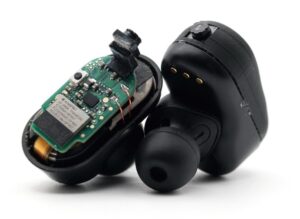
But generative AI marks a major shift. Companies like Curio are now packing plushies with onboard AI models, allowing characters like “Gabbo” or the viral brainrot figure “Ballerina Cappuccina” to hold dynamic, unscripted conversations, remember past interactions, and adapt directly to a child.
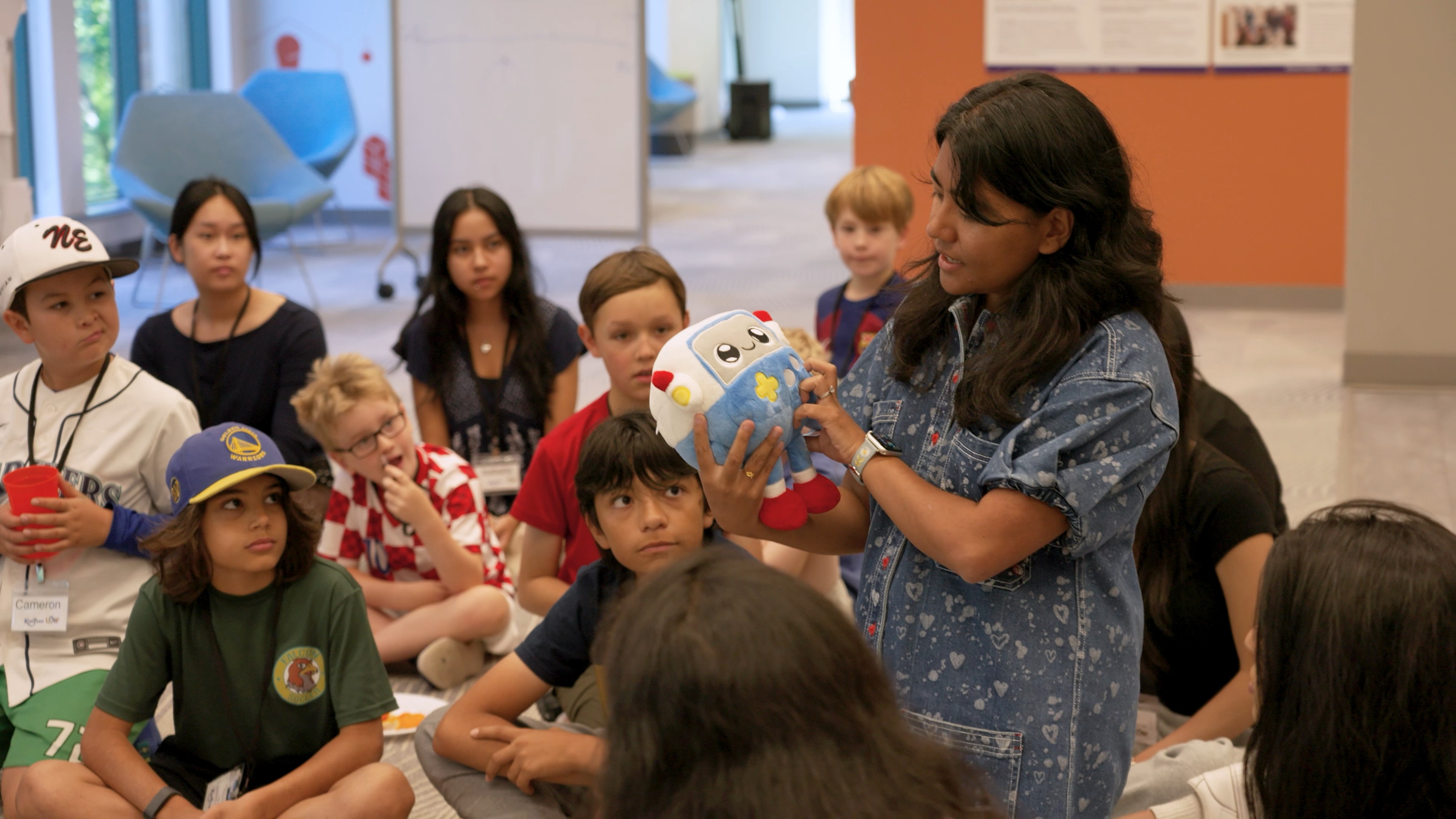
To see how kids actually interact with these conversational companions, researchers at UW’s KidsTeam brought eight children ages 6 to 11 to campus last summer. The kids initially engaged with curiosity — asking basic questions like “What is your name?” and testing physical reactions like tickling the toys’ toes.
But as the toys struggled with complex questions and failed to pick up on physical cues — one participant complained a toy “didn’t listen to me like 26 million times” — delight turned to irritation. Children eventually turned to antagonizing the plushies, calling them “ugly” or “evil” and joking about throwing them in the ocean.
In the video below, kids are asked at one point if they want an AI toy to read them a bedtime story.
“No. It just sounds awful,” one child replied.
“I think it’s gonna destroy my dreams as a tiny kid,” another said.
The study highlights a distinct psychological clash: a cuddly, familiar plush exterior combined with a synthetic intelligence that kids found both fascinating and unnerving.
“The juxtaposition of this plushie toy that also had signs of intelligence was both interesting and disturbing for the kids,” said co-lead author Aayushi Dangol, a former UW doctoral student now at Foundry10, in a UW News story.
While the toys offer dynamic play, Dangol warned parents that generative AI introduces new risks that traditional toys never had, from hallucinating facts to manipulative emotional bonding.
“They’ll give wrong answers, or flatter the kids excessively, or could manipulate the kids into attachment,” Dangol noted.
Beyond conversational glitches, researchers emphasize that synthetic companions fundamentally alter how children play. For generations, kids have supplied their own imagination to make inanimate objects talk and move. Generative AI alters that dynamic.
“Now the script has been flipped and the toy has this imitation of imagination,” said co-author Jason Yip, a UW associate professor in the Information School and director of KidsTeam UW. “We’ve never lived through that before, and we don’t know what questions children will ask or how long they’ll even want to play with these toys.”
Because kids are navigating entirely uncharted territory, Yip stressed the importance of giving young users space to talk through their experiences with the devices filling their bedrooms.
“It’s really important to give them opportunities to discuss these technologies we’re handing down to them,” Yip said.