
Challenges, breakthroughs and big ideas in the race to protect our planet.
Positive Charge goes inside the companies, labs and wild places where innovators are taking on our biggest climate and sustainability challenges.
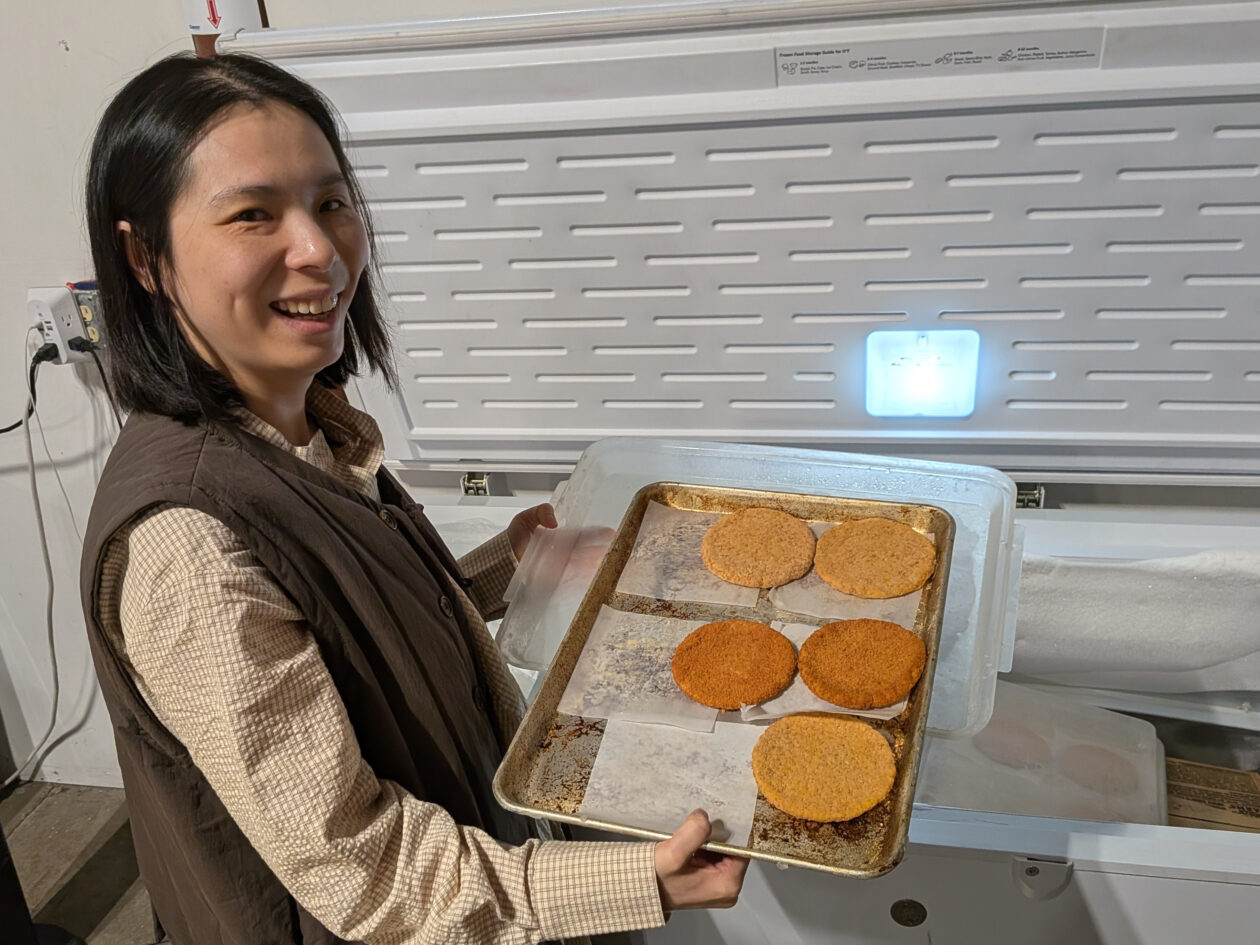
The veggie burger has come a long way in 40 years, but after a boom, alternative proteins have hit a wall of high costs, consumer skepticism and “ultra-processed” worries. A new generation of companies is trying to win the doubters back: Rebellyous Foods, which makes plant-based chicken nuggets for 6 million U.S. schoolkids, and Jiminy’s, which turns crickets and black soldier fly larvae into climate-friendly dog food. Episode 6 of Positive Charge digs into the science, the setbacks, and whether faux meat can finally go mainstream, for people and pets alike.
Carbon-free energy at scale. Amazon is working toward a carbon-free energy future — optimizing efficiency, investing where it matters most, and supporting communities where we operate. Learn more →
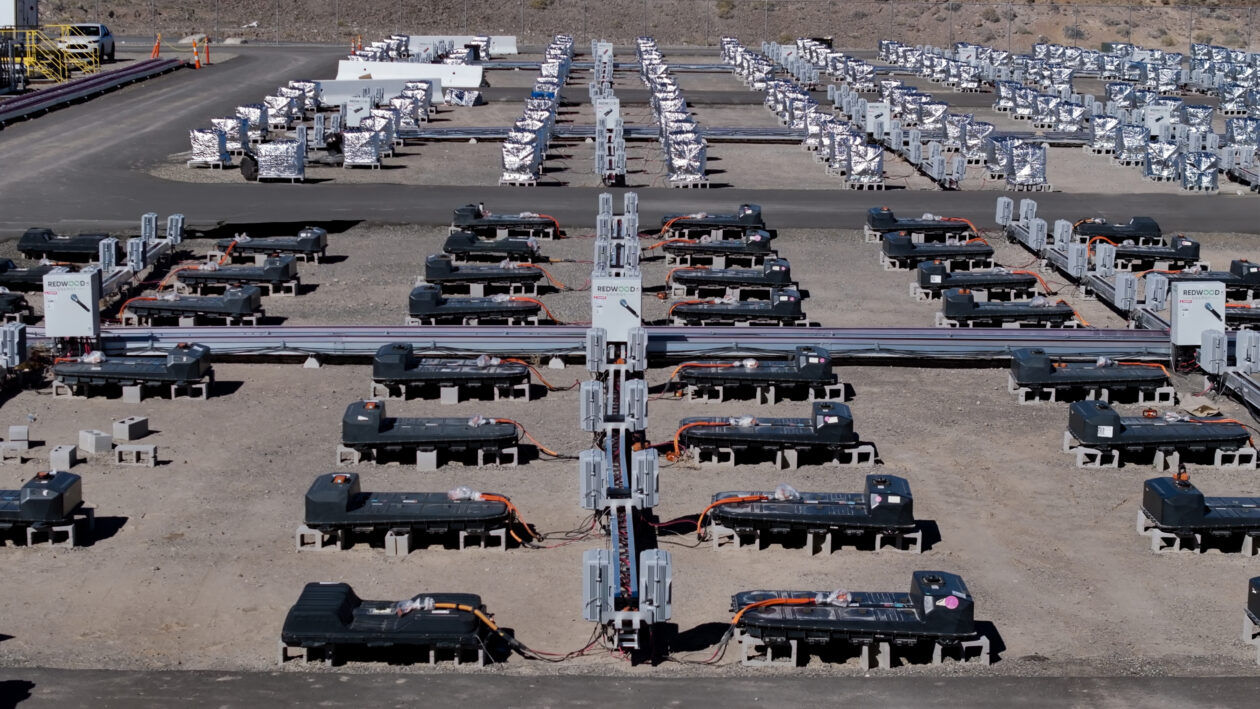
The world faces a glut of used EV batteries at the same time it’s facing a clean energy crisis as data centers and other users are gobbling up power. But some sustainability entrepreneurs have figured out how to take one of those problems to solve the other. They are repurposing electric vehicle batteries to provide affordable, climate-friendly electricity. Episode 5 of Positive Charge goes inside the race to give spent batteries a second life on the grid and beyond.
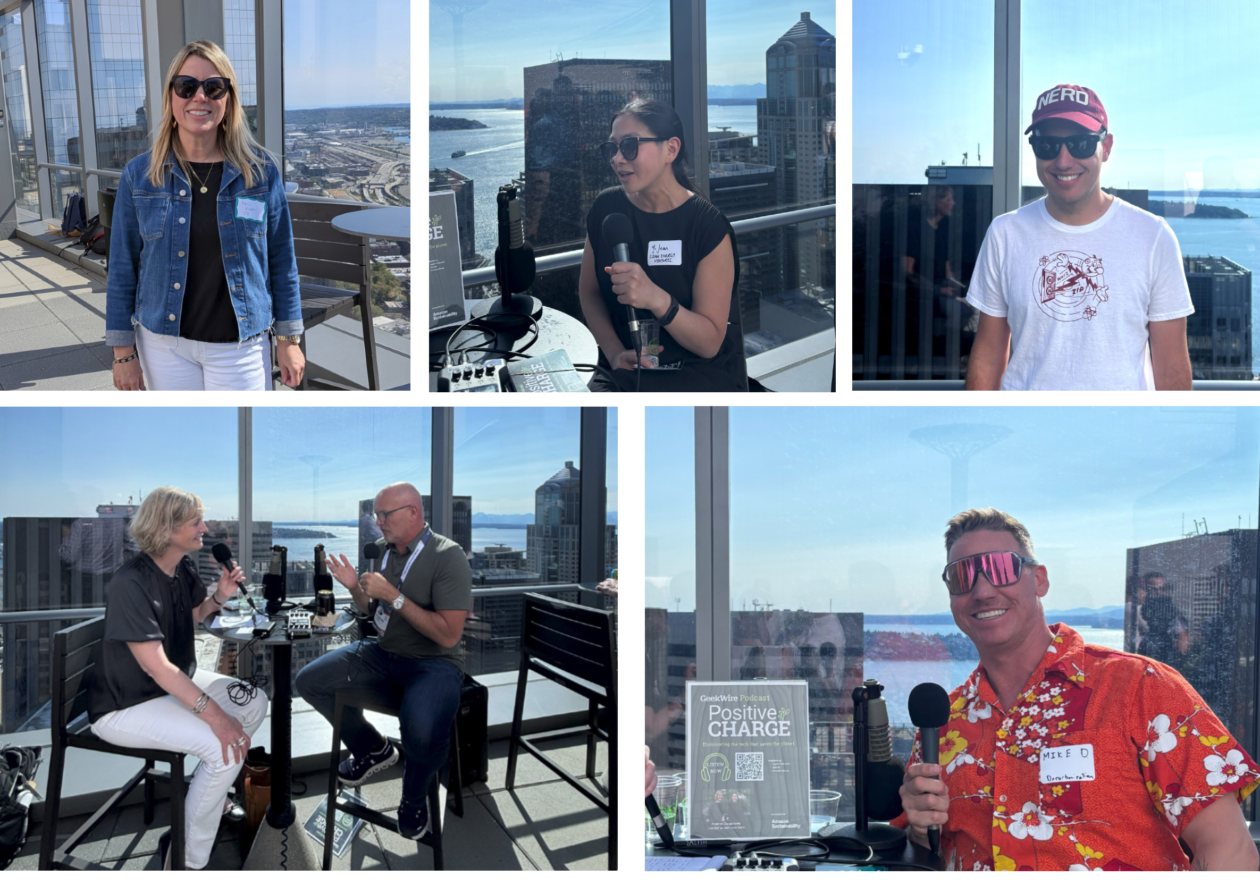
Most climate news these days is grim. But on a Seattle rooftop during Pacific Northwest Climate Week, the mood among investors and founders was upbeat — and grounded in business fundamentals, not wishful thinking. Lisa and Laura worked the kickoff happy hour, gathering candid takes on what’s actually working in climate tech, what’s overhyped, and where the smart money is going. Episode 4 of Positive Charge distills four big ideas from the night.
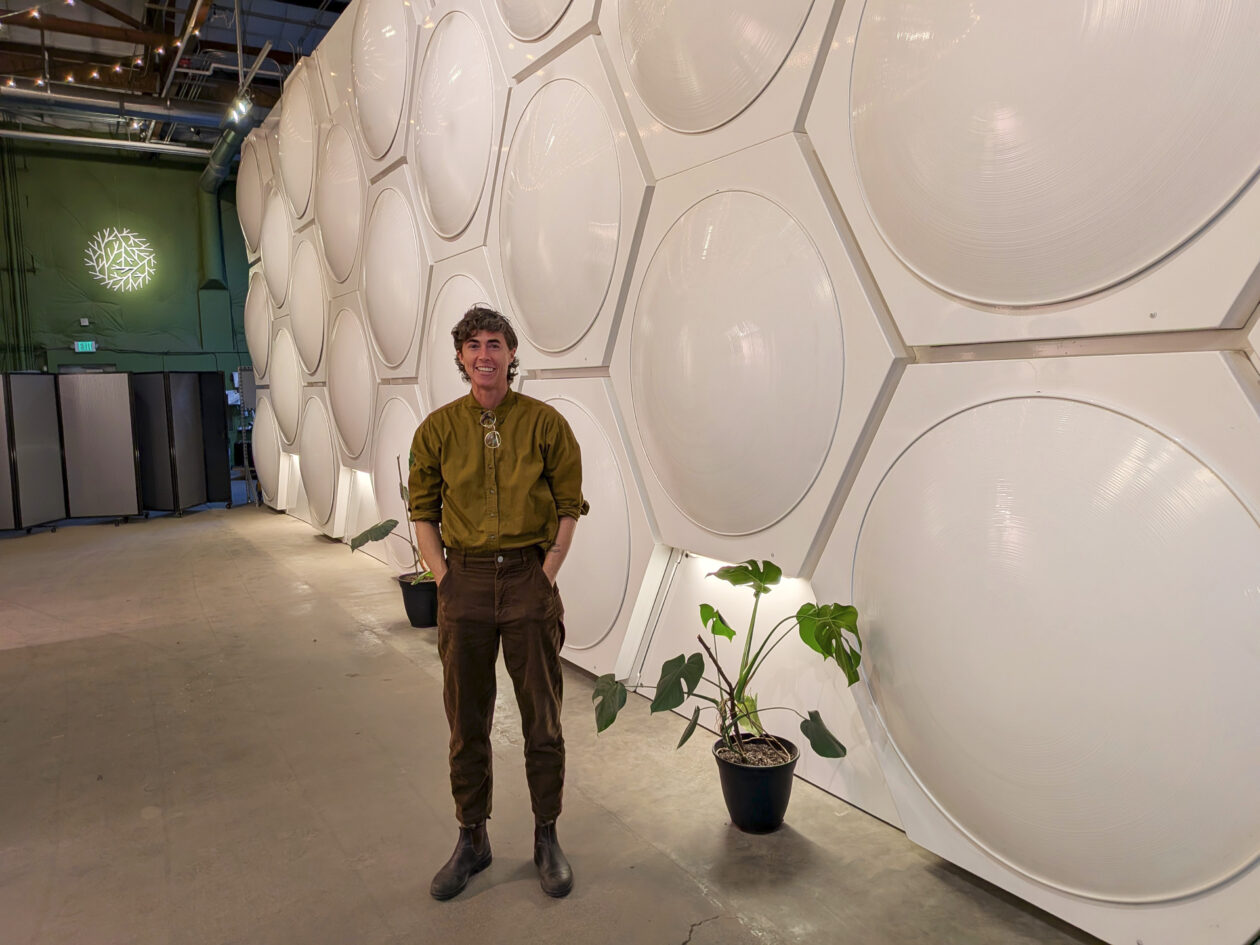
What if the greenest thing you ever do is die? Human composting — also called natural organic reduction — turns a body into clean soil instead of ash or embalmed remains, and it’s the end-of-life option Martha Stewart says she wants. Seattle entrepreneur Katrina Spade made it real, engineering the process at her company Recompose and rewriting laws that once banned it in all 50 states. Episode 3 of Positive Charge goes inside the vessels, the science, and a fast-growing movement winning converts from Seattle to ruby-red Eastern Washington.
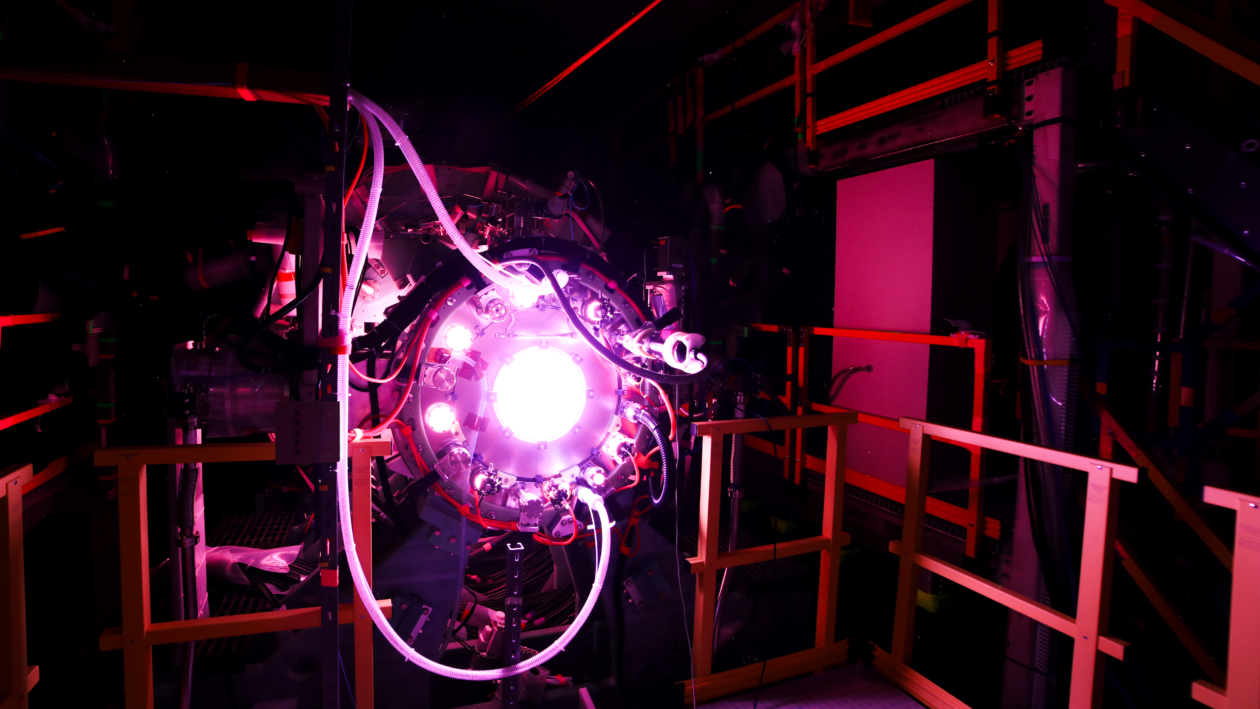
A fusion reactor that could deliver nearly limitless clean energy has been a dream for decades. Now more than 50 companies and over $10 billion are chasing it, including Helion Energy and Zap Energy, two startups four minutes apart in Everett, Wash. Helion signed an unprecedented deal to power a Microsoft data center by 2028; Zap is hedging by adding proven fission. Episode 2 of Positive Charge goes inside the global race to make fusion real — and asks whether it’s finally within reach.
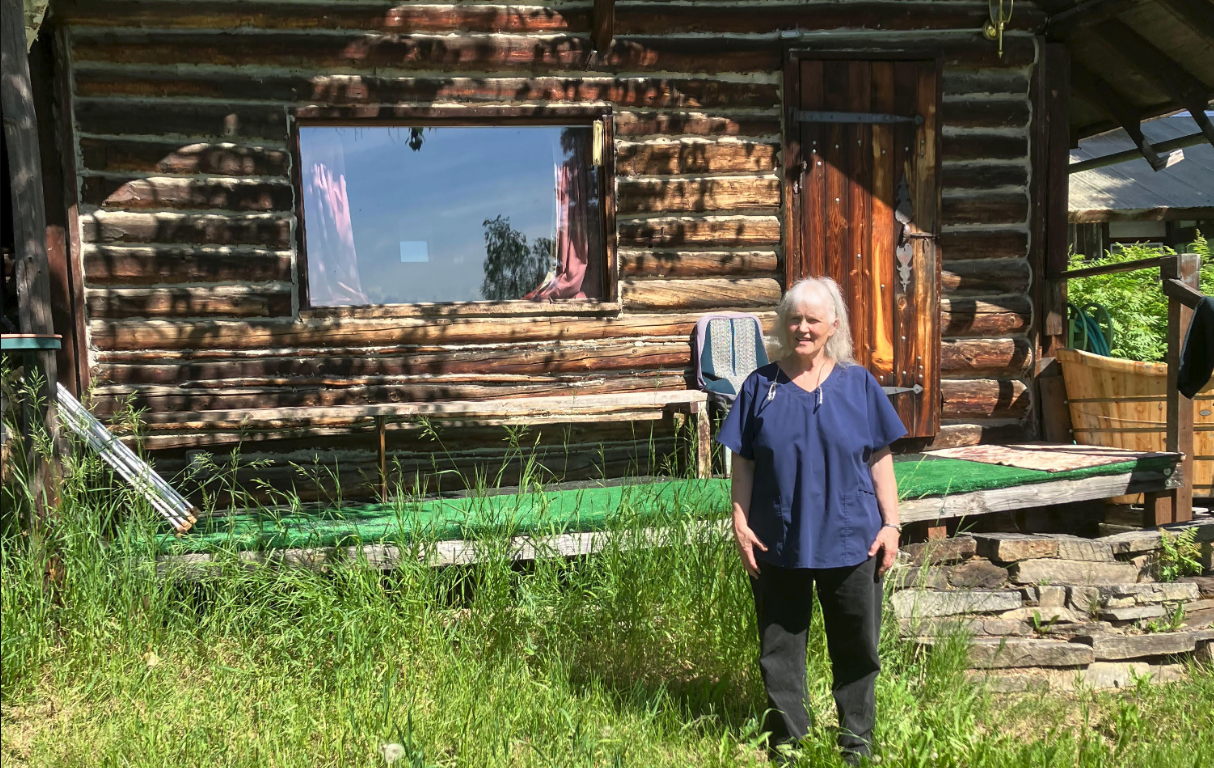
PFAS — the “forever chemicals” linked to cancer, immune harm and reduced fertility — are in the blood of nearly everyone on Earth, and in the well water at Heather Koponen’s home outside Fairbanks. For decades, destroying them has been prohibitively hard and costly. Now two Western Washington companies, Aquagga and Sedron Technologies, are deploying technology that can finally break PFAS apart for good. The debut episode of Positive Charge goes inside the fight.

Meet GeekWire’s new podcast about hope in the climate fight. Hosts Lisa Stiffler and Laura Scott take you inside the bold Pacific Northwest companies building breakthrough climate and sustainability technology — and tease the questions ahead, from annihilating “forever chemicals” to the greenest thing you can do with your body after you die to Taylor Swift’s jet-fuel problem.
